Why Electronics Recycling Helps Reduce E-Waste
Sustainable Solutions: How E-Waste Recycling Services Are Saving Our Planet
E-waste represents a considerable hazard to the environment, as disposed electronics frequently harbor hazardous substances. These hazardous substances can contaminate soil and water, resulting in widespread environmental harm. E-waste recycling initiatives provide a practical answer. They not only recover valuable resources but also mitigate pollution. Comprehending the operation of these services and their influence on communities is of great importance. The journey towards effective e-waste management raises critical questions about individual responsibility and collective action. What steps can be taken next?
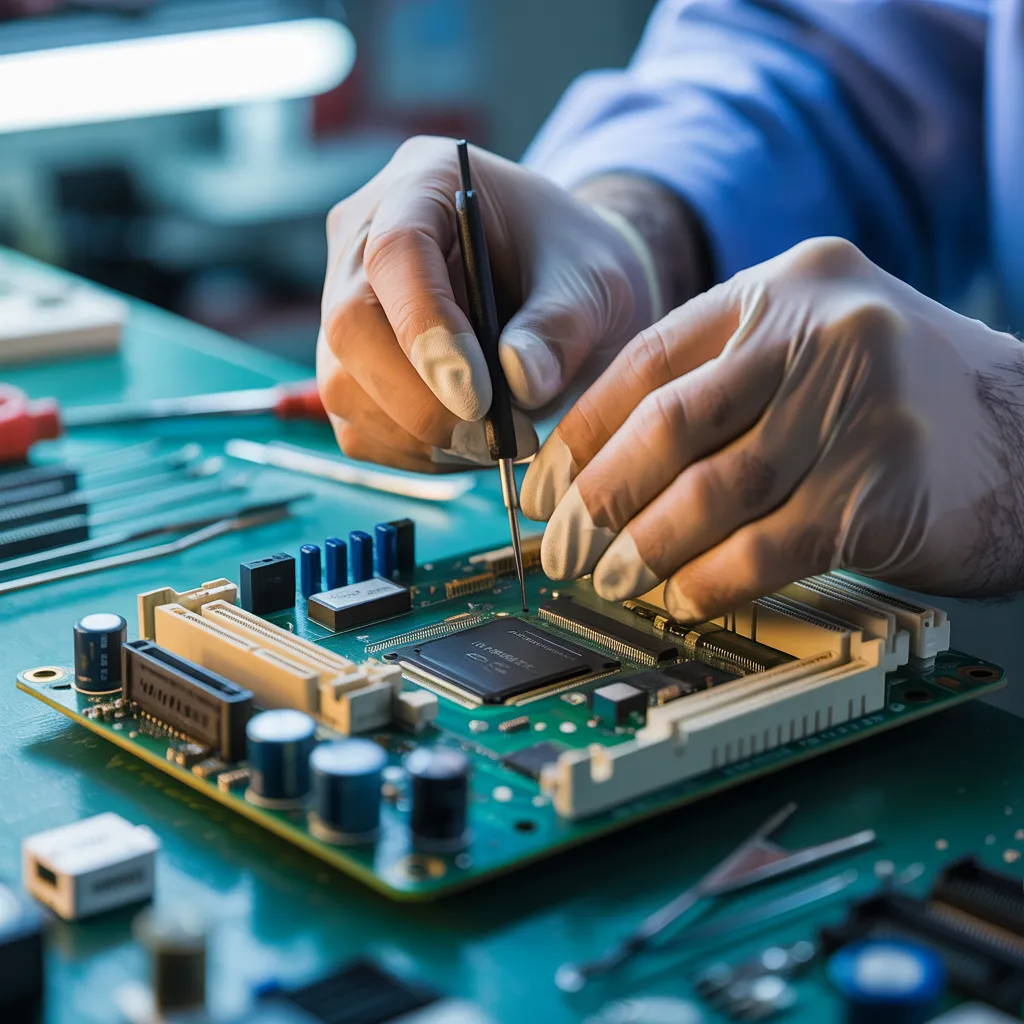
Why E-Waste Poses a Threat to the Planet
While technology enhances contemporary living, e-waste creates significant environmental threats. Discarded electronic devices, frequently composed of hazardous materials such as cadmium, lead, and mercury, are capable of seeping pollutants into soil and groundwater, creating hazards for human health and ecosystems. The swift progression of technology leads to increased consumer turnover of electronics, worsening the buildup of discarded electronic materials.
Landfills, already overwhelmed with refuse, find it difficult to handle the increasing amounts of discarded devices. Incineration, another disposal method, releases harmful pollutants into the atmosphere, contributing to air quality degradation. Moreover, poor recycling procedures can cause e-waste to be sent to developing regions, where employees may disassemble electronics without sufficient safety precautions, leaving them vulnerable to harmful substances. This ongoing cycle of carelessness and inadequate management emphasizes the pressing necessity for responsible recycling initiatives that can lessen the harmful consequences of e-waste on our world.
What Is E-Waste and Its Importance?
E-waste, or electronic waste, encompasses obsolete electronic products including computers, smartphones, and televisions that are no longer functional or needed. This growing category of waste is significant because of its swift buildup, driven by technological advancements and consumer trends. As more devices become obsolete, the environmental impact intensifies, with harmful substances like lead, mercury, and cadmium presenting serious hazards to the environment and human well-being.
The importance of addressing e-waste lies not only in mitigating these hazards but also in recognizing the valuable materials it contains. Critical metals and rare earth components can be reclaimed and recycled, decreasing the reliance on mining and protecting natural resources. With a thorough understanding of e-waste and its impact, people and organizations alike can make educated decisions about disposal and recycling, helping to build a more sustainable world. Responsible management of e-waste plays a key role in supporting a circular economy and championing environmental stewardship.
How E-Waste Recycling Works
E-waste recycling entails an organized procedure intended to extract beneficial components while reducing harm to the environment. At the outset, discarded electronics are retrieved and sent to specialized recycling facilities. Upon arrival, the electronics are carefully categorized to isolate dangerous parts from recoverable materials.
Next, technicians deconstruct the devices, extracting metals, plastics, and glass. This process is vital, as it makes possible the retrieval of precious metals like copper, gold, and silver, which can be recycled in new electronic devices.
Afterward, the separated materials are treated with advanced techniques, such as shredding and specialized chemical treatments, to cleanse them for recycling.
Ultimately, the leftover hazardous materials are disposed of responsibly, adhering to environmental regulations. This systematic method not only conserves resources but also mitigates the risks associated with irresponsible electronic waste disposal, securing a more eco-conscious future for the consumption of electronics.
Why E-Waste Recycling Matters for You and Your Community
While many individuals may not realize it, the advantages of e-waste recycling reach well past personal use to meaningfully influence entire communities. By responsibly disposing of electronic waste, individuals contribute to a cleaner environment, minimizing hazardous materials that can seep into soil and water. This responsible method helps preserve local ecosystems and promotes public health.
Furthermore, electronic waste recycling supports job creation within communities. Community recycling operations commonly Learn more require workers for numerous tasks, including collection and processing, thus generating valuable job opportunities within the community. This not only enhances the community economy but also inspires community dedication to sustainable efforts.
In addition, awareness of e-waste recycling may result in community outreach programs, enabling residents to embrace sustainable practices. By taking part in e-waste recycling programs, individuals nurture a culture of sustainability, motivating others to do the same. All things considered, the combined impact of these actions can create a more strong and environmentally aware community.
How to Choose an E-Waste Recycling Service
Selecting the best e-waste disposal service is crucial for guaranteeing that electronic refuse is managed with responsibility and sustainability. Initially, people should verify the provider's accreditations, such as e-Stewards or R2, which signify conformance to industry standards for safe recycling practices. Additionally, it is advisable to examine the provider's standing by reviewing feedback and looking for recommendations from trusted sources.
Moreover, openness in the recycling process is crucial. A dependable company should provide clear information about the manner in which e-waste is managed and what happens to the materials. Furthermore, considering the scope of services provided can prove valuable; some companies may provide pickup services or offer incentives for recycling.
Finally, being aware of local regulations regarding e-waste disposal can help inform the selection process. By taking these elements into account, residents can actively participate in efficient electronic waste handling while also advancing environmentally responsible practices.
Ways You Can Participate in E-Waste Recycling?
Getting involved with e-waste recycling can start at the local level, where local recycling facilities often provide essential services for proper disposal. Furthermore, participating in community awareness campaigns can amplify efforts to educate others about the importance of ethical e-waste practices. These initiatives not only advance environmental sustainability but also cultivate a collective sense of accountability for the environment.
Area Recycling Stations
A wide range of regional recycling hubs fulfill a critical purpose in e-waste recycling, providing communities with accessible options to manage electronic waste appropriately. These facilities handle a variety of digital devices, including old computers, smartphones, and televisions, verifying that toxic materials are disposed of safely. Most stations have qualified professionals who can guide individuals on proper disposal methods, emphasizing the importance of recycling over landfilling. Moreover, numerous facilities provide planned drop-off gatherings or set collection days, making it easy for residents to participate. By engaging with these local facilities, residents support a circular economy, decreasing environmental damage and advancing sustainable approaches. Partnering with these facilities encourages communities to fight e-waste pollution decisively.
Public Awareness Initiatives
Community groups, educational institutions, and companies can partner to arrange initiatives that encourage e-waste collection drives. Dedicated participants can take a leading part in raising awareness, sharing informational resources, and connecting with local residents. By means of these joint initiatives, local inhabitants gain greater awareness and encouragement to properly recycle their e-waste, ultimately contributing to a more sustainable future.
Questions We Often Receive
What Types of Electronics Can Be Recycled?
Numerous electronics may be recycled, including smartphones, computers, laptops, televisions, printers, and gaming consoles. Additionally, peripherals such as mice, keyboards, and batteries are also suitable for recycling, promoting sustainable environmental practices.
Is There a Cost Associated With E-Waste Recycling?
That's correct, e-waste disposal may involve costs, subject to the provider. Certain providers charge fees for collection or processing, while some providers offer free services, frequently supported by the sale of reclaimed components.
How Do Businesses Gain From E-Waste Recycling?
Organizations can gain from e-waste recycling by minimizing disposal costs, strengthening their ecological standing, meeting compliance standards, recovering valuable materials, and possibly earning income through resale, thus supporting a greener and more sustainable operational framework.
What Becomes of Data on Recycled Devices?
Details from repurposed devices is commonly irretrievably wiped or obliterated during the refurbishment process. This guarantees private details remains secure, preventing unauthorized access while enabling materials to be recycled carefully and ethically across new manufacturing processes.
Are Broken Electronics Eligible for Recycling?
Indeed, damaged electronics may be recycled. Many centers receive damaged devices, ensuring safe disposal and recovery of useful materials. It helps reduce harm to the environment while encouraging responsible recycling practices to manage e-waste responsibly.